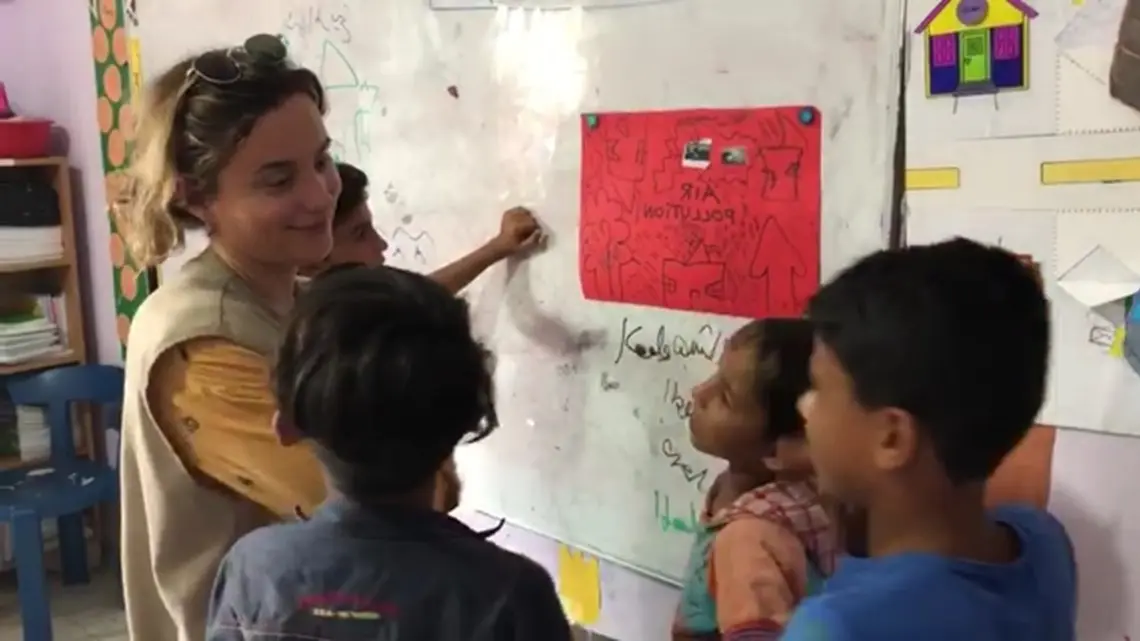

At the 30th international climate conference in Brazil, mental health and nervous system regulation in climate negotiations became visible for the first time. Once a space dominated by geopolitics finally opened to mental health, mindfulness, trauma awareness, resilience, and human connection. This is the story of how we got here — and why it matters.
For Anyone New to COPs
COP stands for the Conference of the Parties — the annual UN climate summit where almost every country on Earth comes together to negotiate climate policy.
This is where:
-
the Paris Agreement was created (legally binding treaty to hold “the increase in the global average temperature to well below 2°C above pre-industrial levels.
-
climate finance rules are shaped,
-
vulnerable countries and civil society demand justice,
-
and also fossil fuel lobbies fight decisions behind closed doors.
COPs are intense: emotional testimonies, all-night negotiations, pressure, protests, and thousands of people trying to make sense of a shared crisis. For decades, these rooms focused on everything except the humans inside them. This is exactly why mental health and nervous system regulation in climate negotiations is so crucial.
My experience with Resilience and Climate Action
At COP27 in Egypt, in my second year serving as Austrian Youth Delegate, I left felt exhausted and disillusioned.
A negotiator even told me:
“We have to dehumanize in order to negotiate.”
I couldn’t understand how humanity’s greatest collective challenge was being discussed in a way that deliberately removed the human element. That COP I followed and engaged in Loss and Damage — listening to people who had lost homes, cultures, and identities. Even though I wasn’t personally affected, it left a deep imprint. Meanwhile in Europe, a lot of activists face burnout or eco-anxiety — real struggles, and also very different ones. It became painfully clear:
mental health desperately needs space in climate negotiations.
Searching for a More Humane Approach
After COP27, I decided to explore how we can bring more human connection into climate diplomacy — especially for negotiators from the Global North. Life took me unexpectedly to India, where I immersed myself in: somatic practices, nervous system regulation, meditation, and presence — all foundational for mental health and nervous system regulation in climate negotiations.
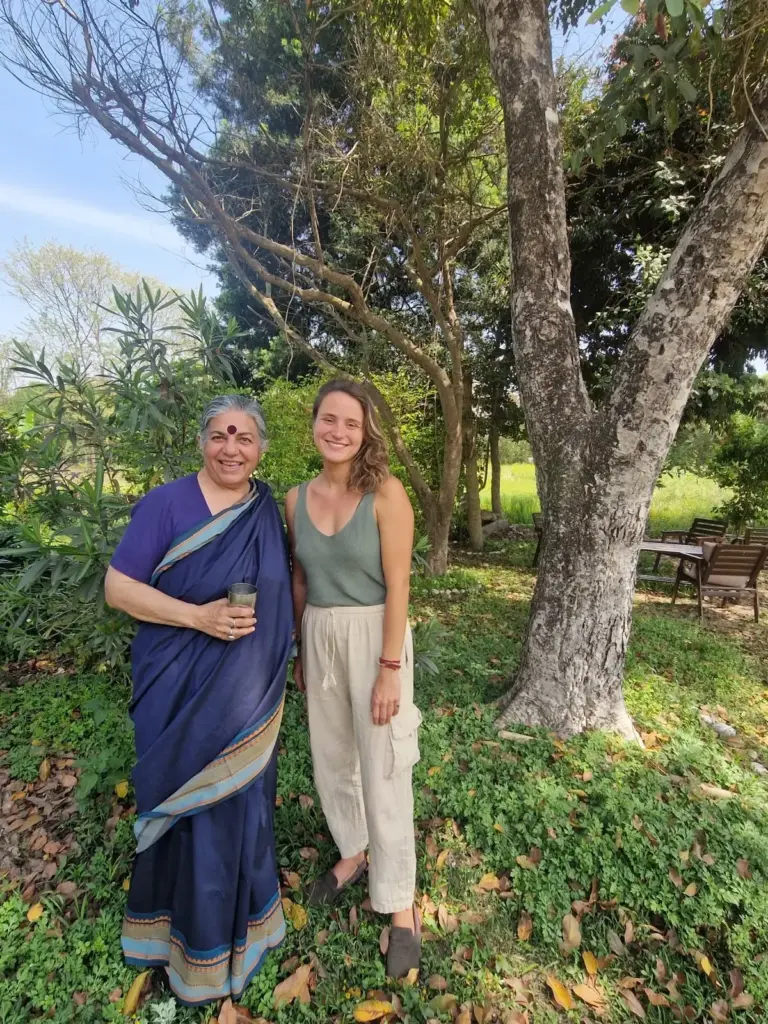
Learning from Vandana Shiva at Nevdanya – in India
Meeting environmental thinker Vandana Shiva, who integrates ecological activism with inner transformation, became a turning point. I began to understand that inner resilience is part of climate resilience.
Arriving in Brazil: A Different Energy
Arriving at COP30 in Belém, where I came to support an Indigenous community, the atmosphere felt more connected and alive than in previous years, with civil society finally playing a strong role again—even though many frontline and Indigenous representatives were still denied accreditation by the Brazilian presidency.
Community Resilience
The Brazilian COP Presidency introduced the idea of the mutirão principle— a community effort where people come together to support each other and build something collectively. A principle rooted for generations
Mental Health and Nervous System Regulation in Climate Negotiations
Mental health was included in the official Belém Health Action Plan for the Adaptation of the Health Sector to Climate Change. Also mental health was deliberately integrated in article 2.3.
This means:
- psychological impacts of climate change are recognized,
- emotional well-being becomes part of climate adaptation,
- psychological support is not a side topic anymore.
This institutional step supports the broader movement for mental health and nervous system regulation in climate negotiations.
Mental Health and Nervous System Regulation in Climate Negotiations
Why Nervous System Regulation Matters
Climate negotiations are high-stress environments. The brain is constantly processing: emotional testimonies, political conflict, global responsibility, sleep deprivation, deadlines and many different worldviews and opinions on how to deal with the climate crisis.
This pushes the nervous system into fight-or-flight.
✔️ According to Polyvagal Theory:
We think and collaborate best in the ventral vagal state — when we feel safe and regulated. But under stress, we shift into:
- fight/flight (reactivity, defensiveness)
- or shutdown (overwhelm, numbness)
Regulation practices help negotiators return to clarity, empathy, and cooperation.
✔️ Neuroscience shows:
Chronic stress reduces:
- memory
- emotional regulation
- creativity
- problem-solving
Mindfulness, Somatics and other grounding tools restore the prefrontal cortex functioning through different angels — essential for just negotiation outcomes.
Regulated people negotiate more openly, more humanely. Unregulated people fight, freeze, or shut down.
Mental Health and Nervous System Regulation in Action
At the Psychology of Mutirão event organized by Janna Hoppmann from ClimateMind, I had the opportunity to open the session with a short nervous system regulation practice. Bringing this exact theory into practice.
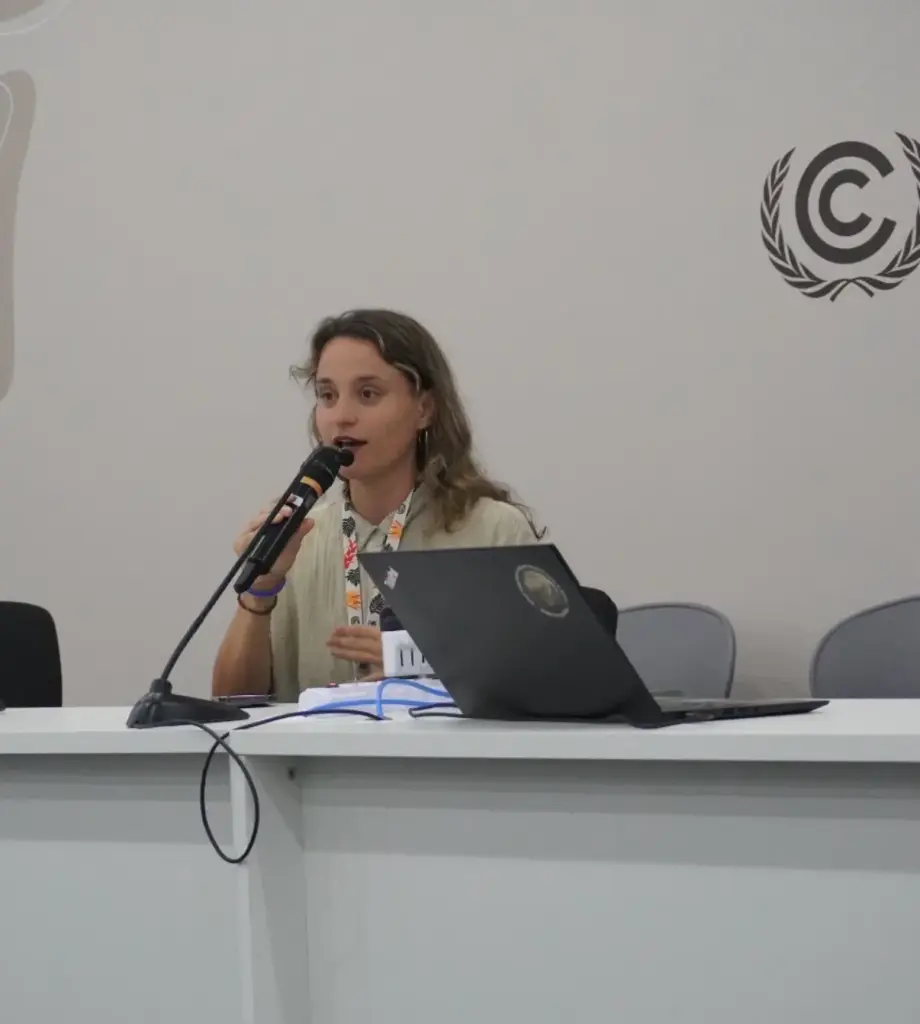
Nervous System Regulation at COP30 Side Event
A High-Level Voice for Mindfulness
Christiana Figueres former head of the UNFCCC and architect of the Paris Agreement spoke openly about meditation and grounding practice as essential skills for negotiators dealing with immense stress or people affected by eco-anxiety. When a figure like her normalizes mindfulness, the whole space shifts. So I got really excited when reading the interview.
Mindfulness Must Never Be Used to Bypass Justice
Mindfulness should never be used to tell frontline communities:
“Just meditate and you’ll be fine.”
Climate trauma exists because the climate crisis exists.
And the climate crisis exists because of: colonial histories, extractivism, inequalities, and fossil fuel expansion. Mindfulness cannot replace: climate finance for Loss & Damage, a fossil fuel phase-out, or Indigenous rights. Mental health and nervous system regulation in climate negotiations must support justice, not distract from it.

People’s March at COP30 in the streets of Belém
Loss, Trauma, and the Need for Psychological Support
From a somatic perspective, losing one’s home is a form of trauma that disrupts the nervous system and sense of safety.
Loss and Damage goes far beyond money, encompassing deeply painful non-economic losses like culture, land, language, identity, and belonging. This is why climate finance must include psychological and mental health support, not just economic measures.
Relearning Connection
As Christiana Figueres said in the interview:
“We are part of one web of life. When one thread is harmed, the whole web feels it.”
Indigenous peoples have lived by this truth for generations. It is a wisdom I heard repeatedly from Yawanawá elder Pai Nani. Those of us with privilege — especially in the West — need to relearn this connection. As a first step it would be important to include indigenous wisdom keepers in negotiation halls – so they can translate the meaning of that into climate policies.
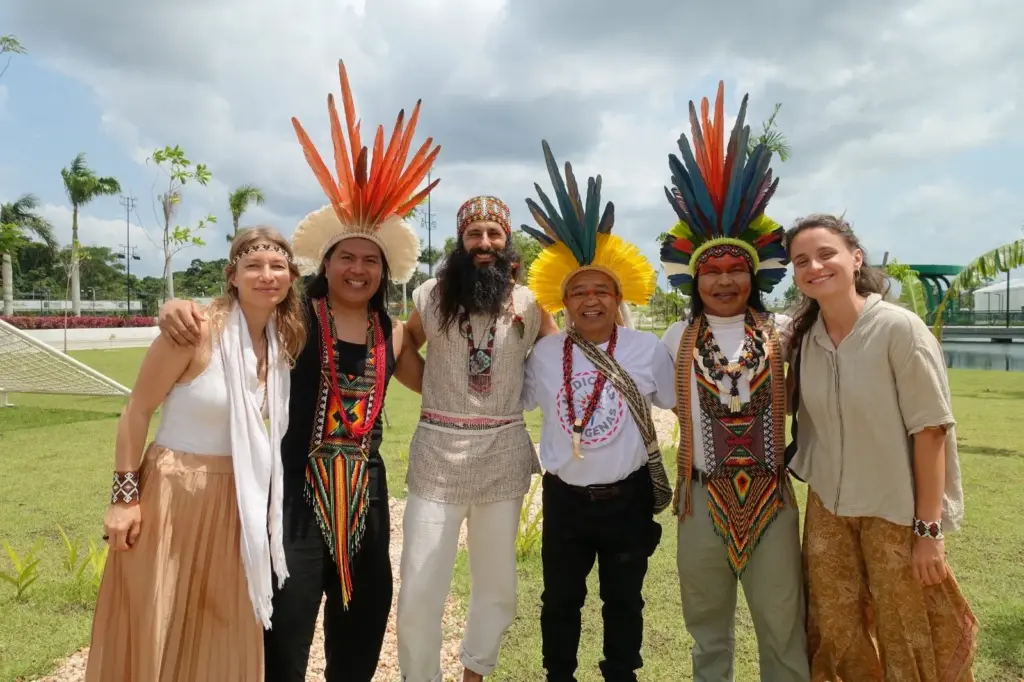
Yawanawá Delegation at COP30: elder Pai Nani, sons: Ushunawa and Paka alongside Ayni Alliance and Anatta Sensorium representatives
COP30 felt like the beginning of something:
- mental health on the agenda,
- mindfulness acknowledged at high levels,
- civil society alive again,
- and mental health and nervous system regulation in climate negotiations finally entering global discourse.
It’s only a start. But it renewed my motivation and commitment to engage on this intersection. A special thanks to all the civil society organizations and indigenous representatives I had the honor working with.
Want to practice with me?
If you want to know more about nervous system regulation and want to prepare your teams for international Climate Negotiations in a more regulated way check: